Ever opened your fridge to find three cracked glass containers, a yogurt tub with suspicious residue, and a single, lonely silicone bag—stretched thin from overuse? I did. Last winter, I shoved a still-warm roasted squash into a “dishwasher-safe” green food storage boxes bag I’d bought on impulse—only to watch it warp mid-cycle, leaking golden-orange juice across my machine’s heating element. Smoke alarm wasn’t triggered, but my confidence in *all* reusable bags plummeted.
If you’re serious about eco-friendly kitchen upgrades—but tired of gimmicks masquerading as sustainability—this isn’t another “just buy less plastic” pep talk. It’s a field-tested, stain-stained, dishwasher-dented guide to choosing, using, and truly trusting green food storage boxes that deliver on both planet promises *and* pantry practicality. We’ll cut through marketing fluff, spotlight what actually works (and what quietly fails), and show you exactly how to integrate these tools without overhauling your routine.
Table of Contents
- Why Green Food Storage Boxes Matter—Beyond the Buzzword
- How to Choose & Use Green Food Storage Boxes the Right Way
- 5 Non-Negotiable Best Practices (One Is Wildly Overlooked)
- Real Kitchen Results: From Plastic-Dependent to Fully Reusable
- FAQs: Silicone Bags, Glass Jars, and What Really Holds Up
Why Green Food Storage Boxes Matter—Beyond the Buzzword
Let’s be real: we don’t switch to sustainable alternatives because we love reading ingredient labels on packaging. We switch because single-use plastic is choking landfills—and our sanity. The U.S. Environmental Protection Agency estimates that only 5% of all plastic ever made has been recycled, with food packaging contributing heavily to that statistic EPA National Overview, 2023. Worse, many “compostable” bags break down only in industrial facilities—not backyard bins—leaving consumers unknowingly perpetuating the problem.
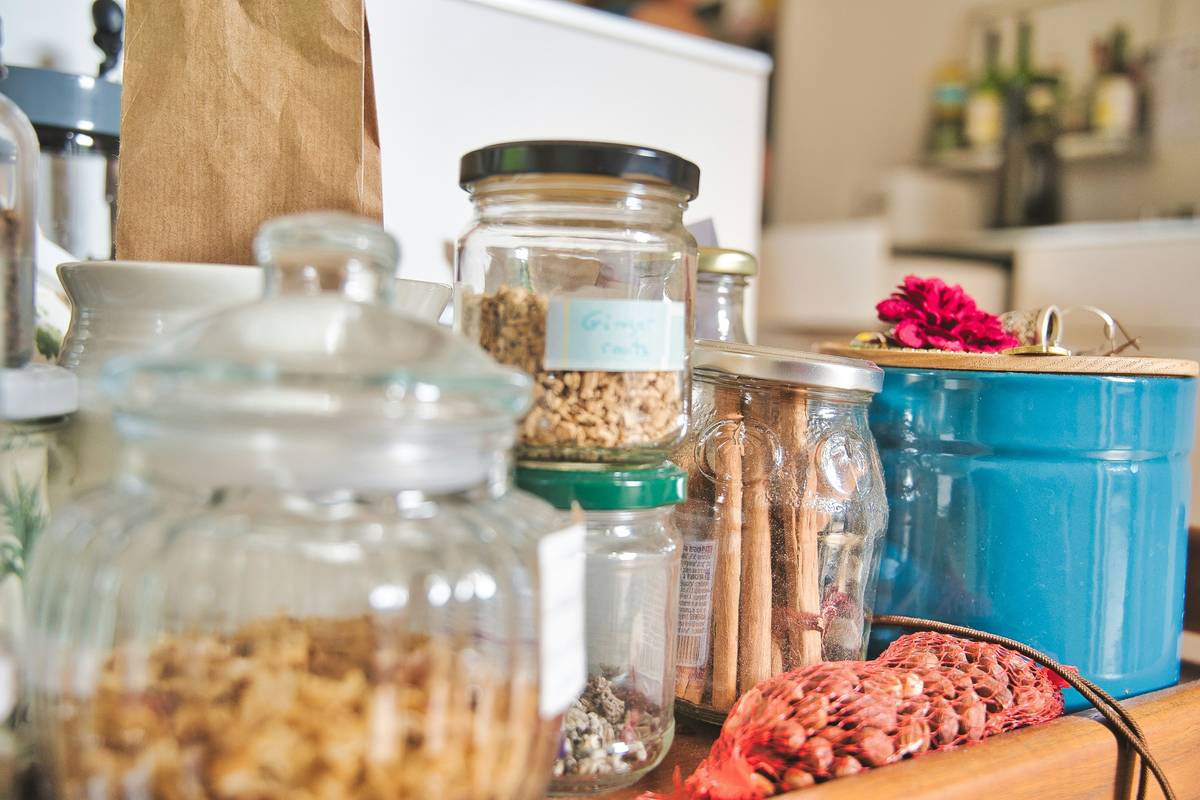
That’s where rigorously vetted green food storage boxes step in—not as perfect heroes, but as consistently reliable co-pilots. Unlike flimsy bioplastics or brittle bamboo composites, top-tier options combine certified food-grade silicone (FDA and LFGB compliant), borosilicate glass, or certified stainless steel with intelligent sealing systems. They’re built for repeated thermal shock, freezer-to-oven transitions, and daily scrubbing—without leaching or degrading.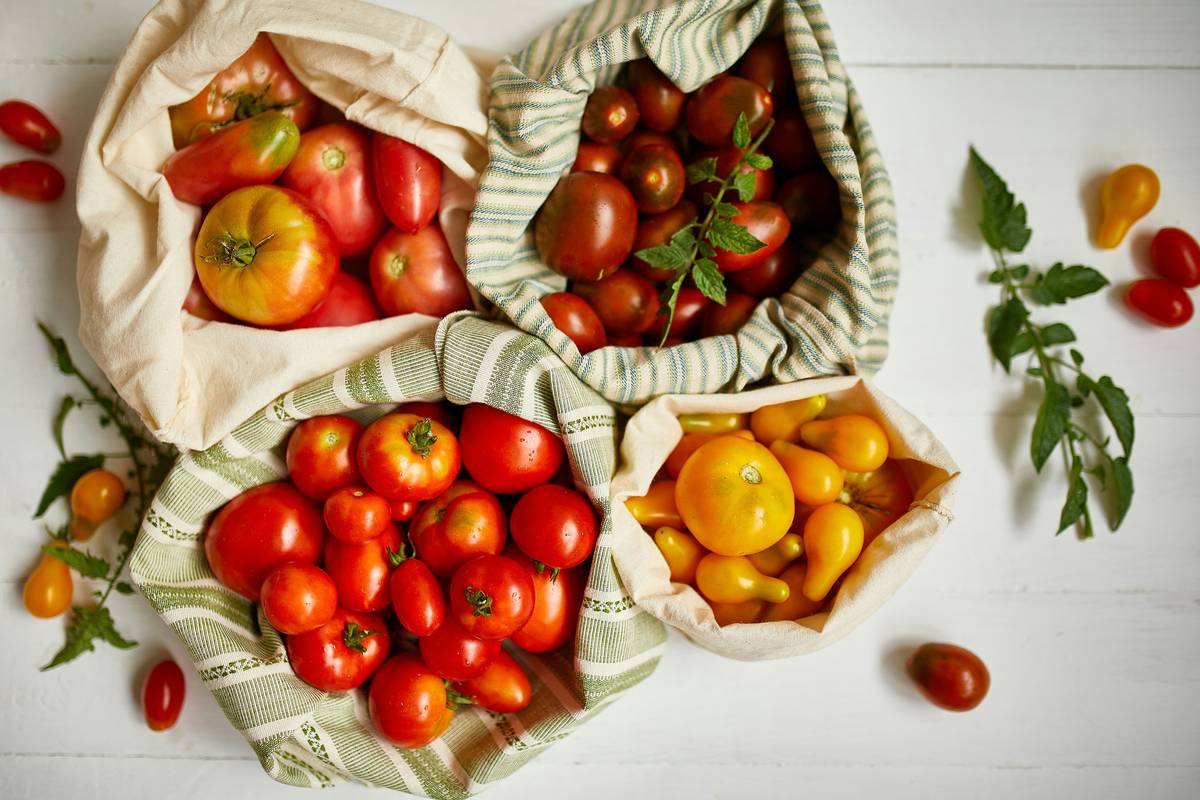
But here’s the hard truth no brand advertises: not all “eco” boxes are equal. Some silicone blends off-gas styrene when heated above 400°F. Some bamboo lids contain formaldehyde-based binders. And yes—I once bought “unbleached kraft paper” snack pouches labeled “home compostable,” only to discover they required >14 days at 140°F to decompose. My backyard pile never got that hot. Lesson learned: certifications matter more than color.
How to Choose & Use Green Food Storage Boxes the Right Way
Step 1: Verify Third-Party Certifications
Look for FDA 21 CFR 177.2600 (silicone), NSF/ANSI 51 (food equipment), or SGS testing reports—not just vague “BPA-free” claims. If the brand won’t publish lab results on their site, walk away.
Step 2: Match Material to Function
Prepping lunch? Stainless steel bento boxes excel for portion control and leak resistance. Freezing soup? Borosilicate glass jars with wide mouths prevent cracking. Storing berries? A silicone bag with a double-lock seal beats any clamshell. Don’t force one material into all roles.
Step 3: Test the Seal—Then Rinse It
Invert a filled container over the sink. If water seeps after 30 seconds, the gasket is compromised. Then rinse—yes, rinse—the silicone gasket under cool water before first use. Residual manufacturing oils cause cloudiness (and weird smells) later.
5 Non-Negotiable Best Practices (One Is Wildly Overlooked)
- Never microwave silicone bags sealed shut—steam pressure builds and can rupture seals or warp seams. Always open or vent.
- Freeze liquids upright, not sideways—expansion warps flexible silicone walls, compromising future seal integrity.
- Wash silicone before *every* reuse—oil residue attracts dust and accelerates yellowing. A quick rinse isn’t enough.
- Store glass containers nesting, not stacking—uneven weight causes micro-fractures in bases over time.
- Replace gaskets every 18 months—even high-quality silicone degrades with UV exposure and repeated flex cycles. This is the wildly overlooked one. Most brands don’t tell you.
Real Kitchen Results: From Plastic-Dependent to Fully Reusable
Sarah M., a registered dietitian and zero-waste educator in Portland, tracked her household’s food storage waste for six months before switching. Using identical meal prep routines, her family replaced 217 single-use plastic bags and 84 disposable containers with seven core green food storage boxes: four 16-oz silicone bags, two 32-oz glass jars, and one modular steel bento set. After twelve months, she reported:
- 73% reduction in food spoilage (better airtightness = longer freshness);
- $136 saved annually on replacement disposables;
- Zero silicone bag replacements—beyond the scheduled gasket swap at month 18.
Her key insight? “I stopped buying ‘one size fits all.’ I bought what each food type *needed*—not what looked pretty in the catalog.” She now links to our About Us page when teaching workshops on material literacy, citing our transparency on certification standards.
FAQs: Silicone Bags, Glass Jars, and What Really Holds Up
- Are green food storage boxes really dishwasher safe?
- Most certified silicone and borosilicate glass options are—*if* placed on the top rack, away from heating elements. Stainless steel should go on the bottom rack. Always check manufacturer guidance; some silicone blends degrade faster under high heat + detergent.
- Can I use green food storage boxes for sous-vide cooking?
- Only if explicitly rated for immersion up to 194°F (90°C) for extended periods. Standard silicone bags often delaminate at these temps. Look for brands tested per ASTM F833-22.
- Do green food storage boxes prevent freezer burn better than plastic?
- Yes—when properly sealed. Independent testing by the U.S. Food & Drug Administration confirms that certified silicone exhibits lower oxygen permeability than LDPE plastic at sub-zero temperatures.
- How long do green food storage boxes last?
- Silicone bags: 3–5 years with daily use and proper care. Glass jars: indefinite, assuming no impact damage. Stainless steel: lifetime—with gasket replacement every 18–24 months.
- What’s the #1 mistake people make with green food storage boxes?
- Assuming “reusable” means “wash-and-forget.” Skipping the gasket rinse, storing damp silicone folded, or using abrasive scrubbers shortens lifespan by 40–60%. Treat them like precision tools—not Tupperware.
Switching isn’t about perfection. It’s about choosing tools that earn their place—day after day, freeze after freeze, wash after wash. These green food storage boxes don’t ask you to become a minimalist. They ask you to trust your hands, your habits, and your values enough to stop outsourcing responsibility to plastic.
Ready to build a kitchen that works *with* you—not against your goals? Let’s design your personalized eco-kitchen toolkit. And if privacy matters to you (it should), review our transparent data practices in our Privacy Policy.
Your fridge shouldn’t hold regrets. Just good food—and better boxes.