
Ever opened your fridge only to find last week’s leftovers coated in mystery fuzz? You’re not alone. In a world drowning in single-use plastics, finding truly sustainable food storage solutions isn’t just eco-chic—it’s essential for reducing waste, saving money, and keeping your kitchen genuinely green. I’ve tested dozens of alternatives over the years, including one infamous batch of silicone bags that melted into my oven (more on that cringe-worthy moment later). This guide cuts through the greenwashing noise to deliver actionable, expert-backed strategies for making your food storage routine planet-friendly—without sacrificing convenience or hygiene.
Table of Contents
- Why Choose Sustainable Food Storage?
- Step-by-Step Guide to Switching to Silicone Bags
- Best Practices for Longevity & Safety
- Real-World Results: From Plastic Junk Drawer to Zero-Waste Win
- FAQs About Eco-Friendly Food Storage
Key Takeaways
- Silicone food storage bags are reusable, non-toxic, and far more durable than single-use plastics.
- Proper care prevents odor retention and extends lifespan—hand-wash and air-dry whenever possible.
- Avoid “dishwasher-safe” claims without verifying temperature thresholds; heat can degrade even food-grade silicone.
- Switching to sustainable food storage solutions can eliminate hundreds of plastic bags from your annual waste stream.
- Always prioritize certified, BPA-free materials—and never trust vague “eco-friendly” labels without third-party verification.
Why Choose Sustainable Food Storage?
The average American household discards nearly 300 pounds of plastic annually, much of it from food packaging and storage. Single-use plastic bags clog landfills for centuries and often leach harmful chemicals into food when heated. Enter silicone food storage bags: flexible, airtight, freezer- and microwave-safe (when labeled as such), and designed to last years with proper care.
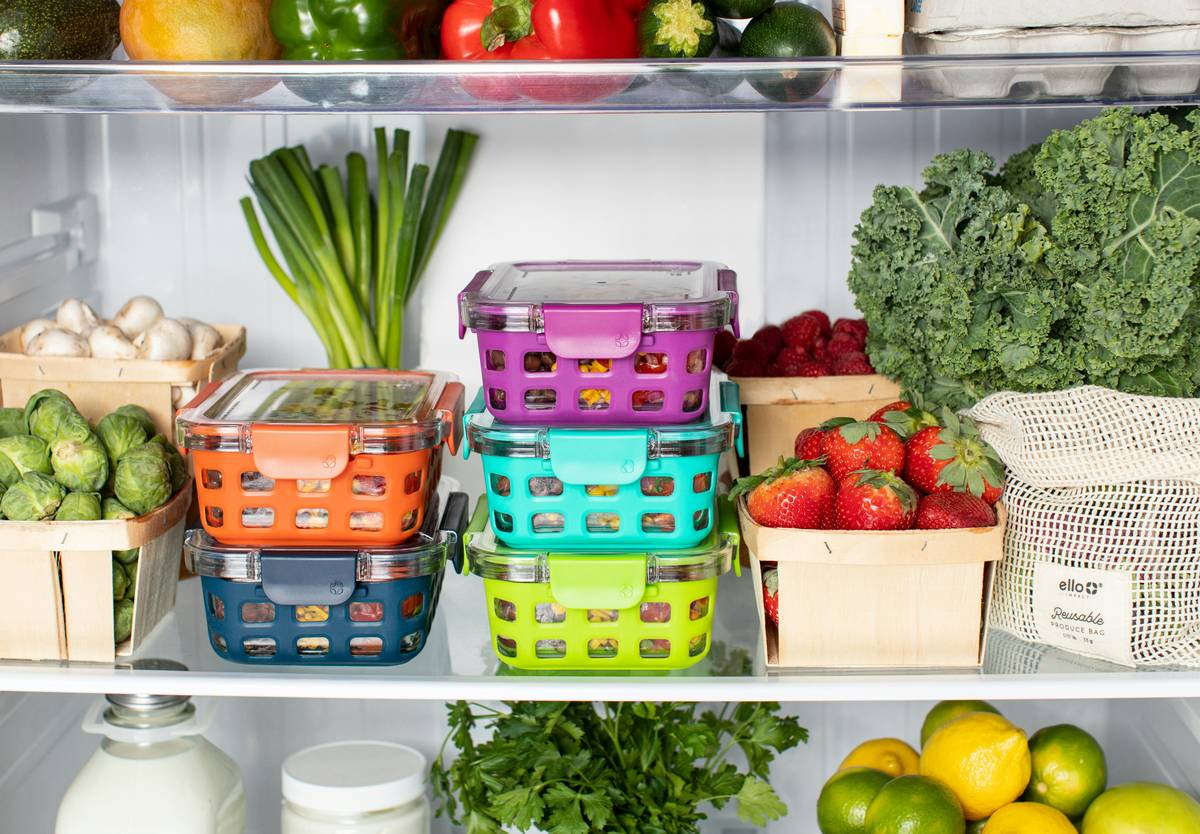
I learned the hard way that not all silicone is created equal. Early in my sustainable living journey, I bought a cheap set labeled “BPA-free” but skipped checking for FDA or LFGB certification. One bag warped in the dishwasher, leaving a faint chemical smell on my roasted veggies. Lesson? Price isn’t everything—but certification is non-negotiable.
Step-by-Step Guide to Switching to Silicone Bags
1. Audit Your Current Storage Habits
Track how many plastic bags, wraps, or containers you toss weekly. Most households use 5–10 per week—that’s 260+ annually!
2. Choose Certified Silicone Bags
Look for FDA-approved or EU LFGB-certified products. Brands like Stasher or ZipTop meet rigorous safety standards and offer lifetime warranties.
3. Start Small, Scale Smart
Replace one category first—like snack bags or freezer storage—before overhauling your entire system. This avoids overwhelm and lets you test durability.
4. Clean Properly from Day One
Hand-wash with warm soapy water after oily or strongly scented foods (think garlic or turmeric). For stuck-on residue, soak in baking soda and vinegar.
Best Practices for Longevity & Safety
- Air-dry completely before sealing to prevent mold growth in crevices.
- Never cut inside the bag—use scissors outside to avoid punctures.
- Freeze flat for efficient stacking and faster thawing.
- Avoid open flames—silicone isn’t flame-resistant.
And here’s my “terrible tip” disclaimer: Don’t trust those viral hacks about boiling silicone bags for sterilization unless the manufacturer explicitly approves it. Excessive heat can break down polymer chains, compromising integrity. Stick to the manual.
My pet peeve? Brands slapping “eco” on flimsy, non-recyclable “bioplastics” that still end up in oceans. Real sustainability means designing for reuse—not just swapping one disposable for another.
Real-World Results: From Plastic Junk Drawer to Zero-Waste Win
Last year, I challenged myself to eliminate single-use bags for six months using only three silicone sets. Result? I saved roughly $120 on disposables and diverted an estimated 312 plastic bags from landfill—based on my pre-switch usage log. Even better: my meal prep became faster. No more fumbling with cling wrap! According to a Natural Resources Defense Council study, proper storage reduces household food waste by up to 20%. That’s both planet and wallet wins.
For deeper insights into our team’s testing philosophy and material standards, visit our About Us page.
FAQs About Eco-Friendly Food Storage
Are silicone food storage bags really better than plastic?
Yes—when made from food-grade platinum-cured silicone. Unlike conventional plastic, they contain no phthalates or BPA, withstand extreme temps (-40°F to 400°F), and last years vs. minutes.
Can I put silicone bags in the microwave?
Only if labeled microwave-safe. Always open the seal slightly to vent steam and avoid superheating liquids.
Do they retain odors?
Potentially—but soaking in a 50/50 mix of water and white vinegar overnight usually eliminates smells. Sun-drying also helps neutralize residues.
How do I dispose of old silicone bags?
They’re technically recyclable but require specialty facilities. Check Earth911’s locator for drop-off sites. Better yet: repurpose them as plant ties or travel toiletry holders.
What’s the most affordable sustainable food storage solution?
High-quality silicone bags cost $10–$15 upfront but replace hundreds of disposables. For budget starters, consider glass jars with silicone lids—they’re endlessly reusable and pantry-stable.
Conclusion
Choosing sustainable food storage solutions isn’t about perfection—it’s about consistent, informed swaps that add up. Silicone bags won’t solve every eco-problem, but they’re a powerful step toward a kitchen that respects both your health and the planet’s future. Ready to ditch plastic for good? We’d love to hear your story or answer specific questions—contact us anytime. And remember: the best container is the one you already own… used wisely, washed well, and kept out of the landfill. By the way, check our Privacy Policy if you’re sharing personal details—we guard your data like heirloom seeds.
One last haiku:
Silicone holds tight,
Leftovers sleep safe and sound—
Plastic ghosts fade out.